10 Woodland Activities to Help Children Connect With Nature
In a world of screens and schedules, the woodland offers children something truly special: space to slow down, explore freely, and reconnect with the natural world.
Forests and woodlands are rich, sensory environments where curiosity thrives and learning happens naturally.
Please read on for ten simple, meaningful activities children can enjoy in a woodland to build a deeper connection with nature.
1. Nature Scavenger Hunt
Collect a scavenger hunt sheet or bring / make your own. This will include a list of natural items to find—such as a feather, a smooth stone, something green, or something that smells nice.
This encourages close observation and helps children notice details they might otherwise miss.
2. Den Building
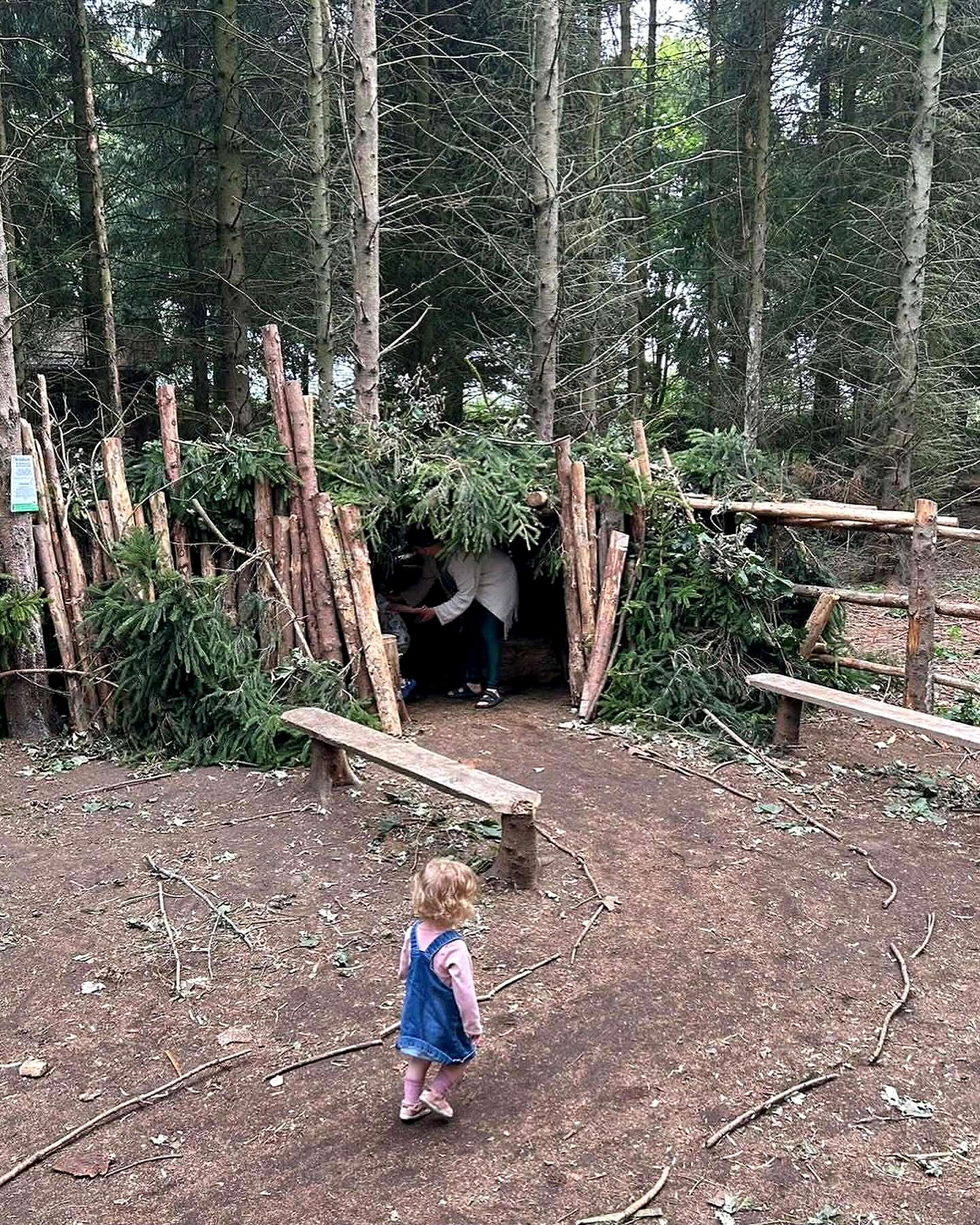
In our dedicated den building area, using branches, leaves and brash, children can build small dens or shelters.
This activity sparks creativity, teamwork, and problem-solving, while also helping children understand basic structures and respect for living trees (using only what’s already on the ground).
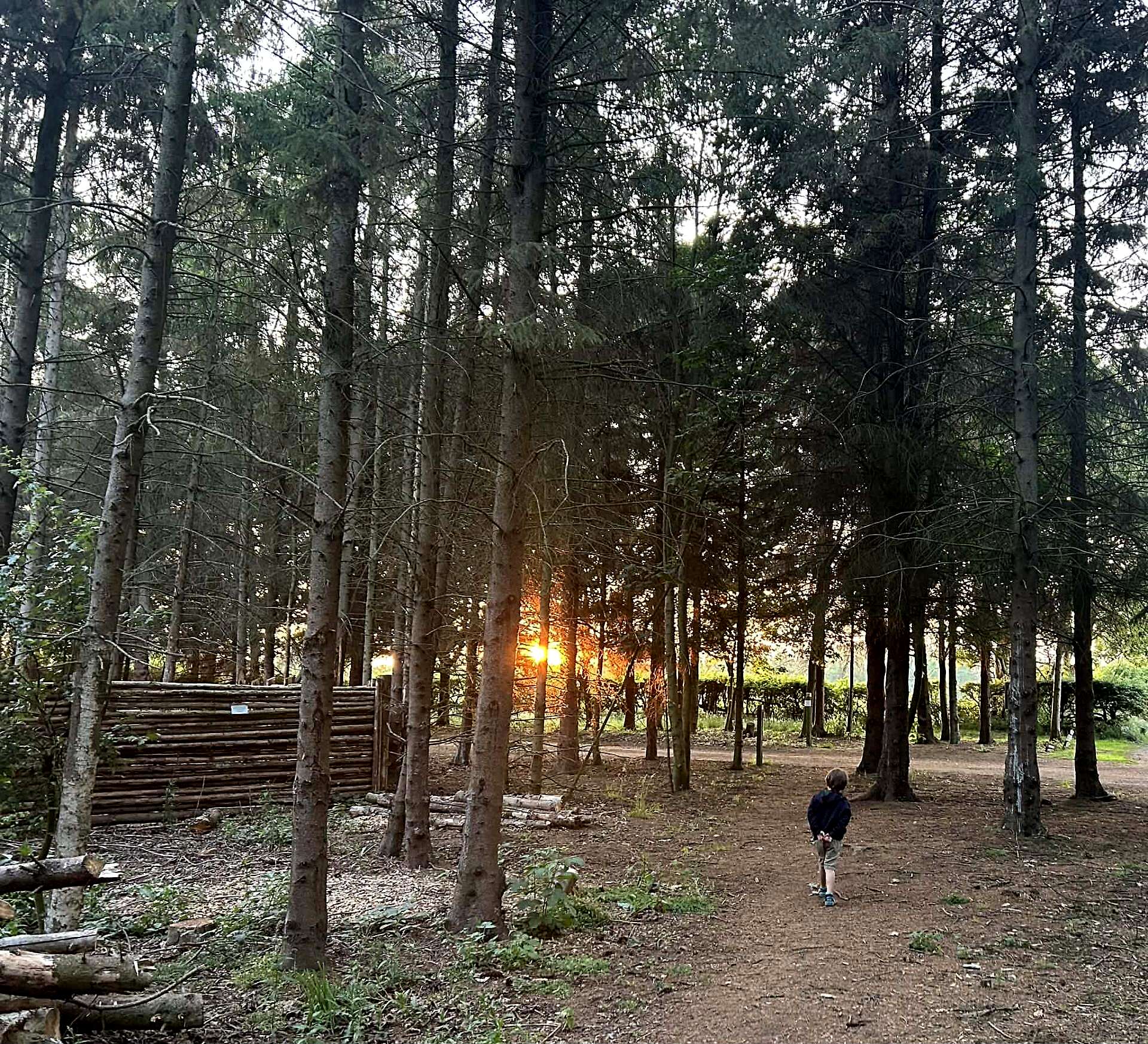
3. Enjoy the sunrise or set through the trees
The magic of sunrise and sunset should not be reserved for just the sea or mountains, woodland sun imagery is just as beautiful.
As the light filters through the trees talk to your children a about the changing colours of gold and gentle shadows amongst the trees.
"The mud will wash off, but the memories will last a lifetime"
4. Playing Hide and Seek
Playing hide and seek in the wood turns a simple game into a powerful learning experience for children whilst having fun with outdoor play.
The natural setting encourages problem solving, grows confidence and helps children to access risk and make decisions on their own.
5. Bug Hunting (With Care)
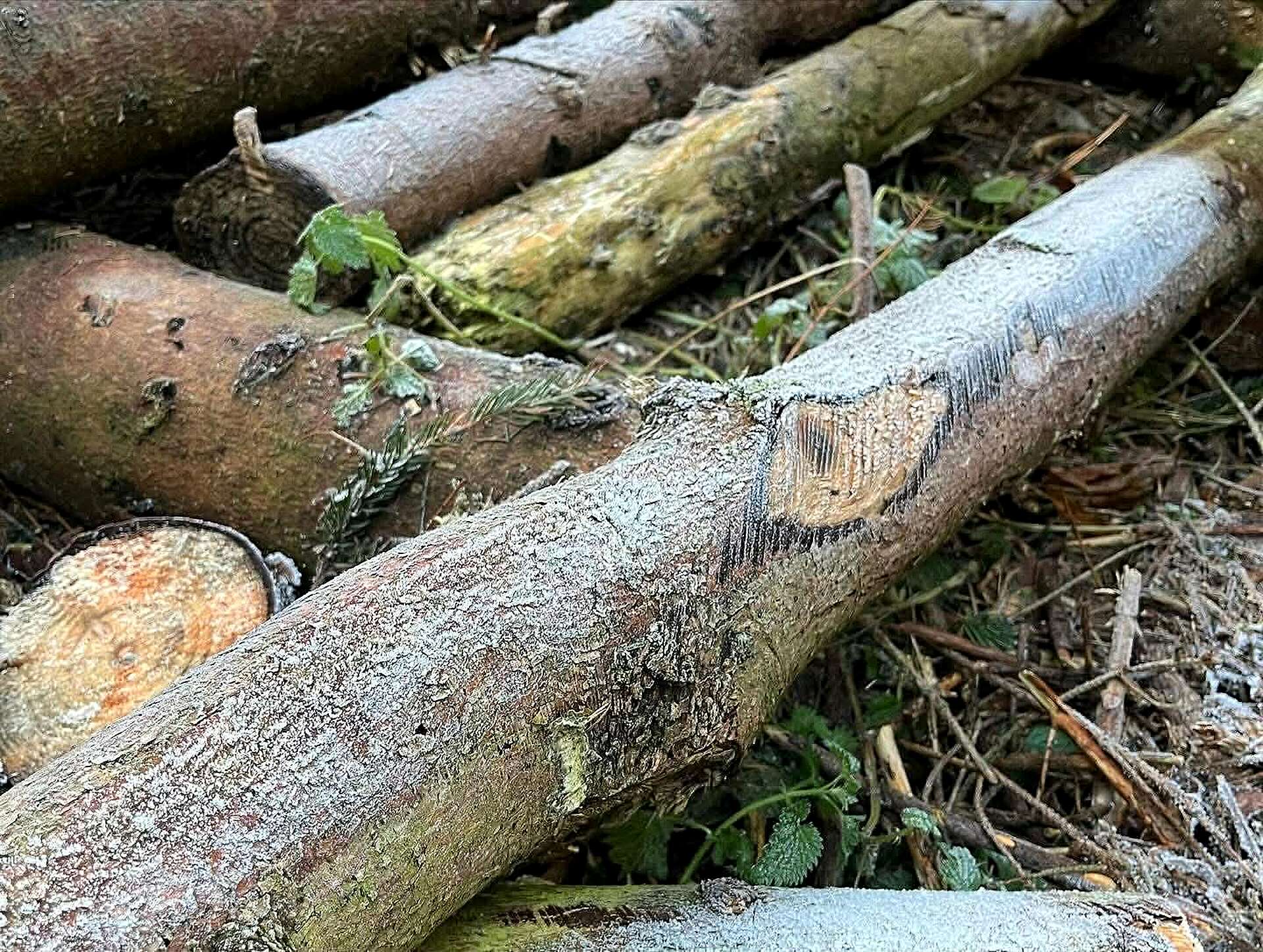
Woodlands are full of tiny creatures. New for Spring 2026 are hidden bug hotels amongst the woods, these help boost biodiversity, control pests naturally and improve the quality of the soil.
Carefully looking at these environments, under logs or stones spotting insects teaches children about biodiversity and ecosystems.
Emphasize gentle handling and returning everything to its place to build respect for living things.
6. Nature Art
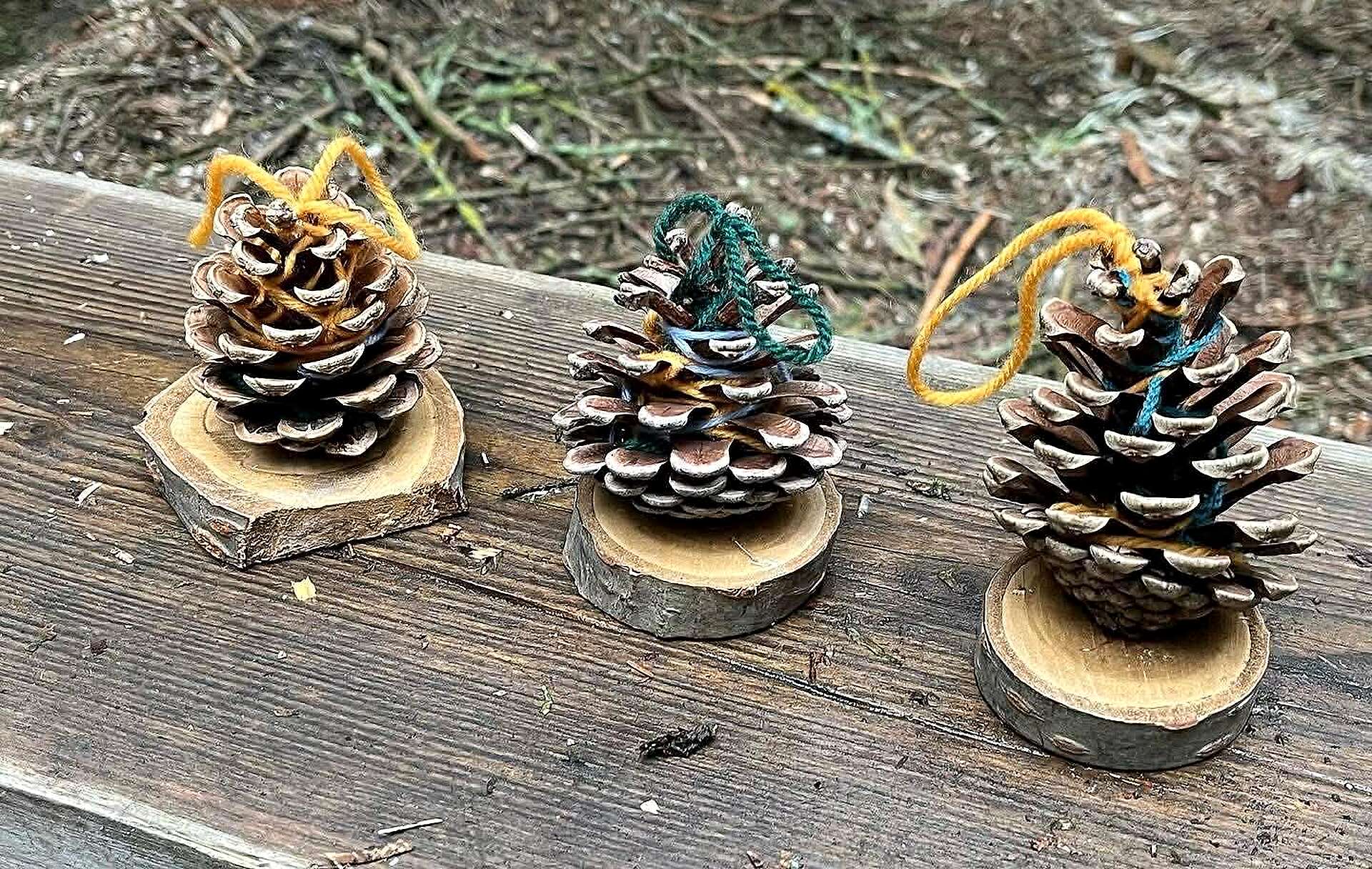
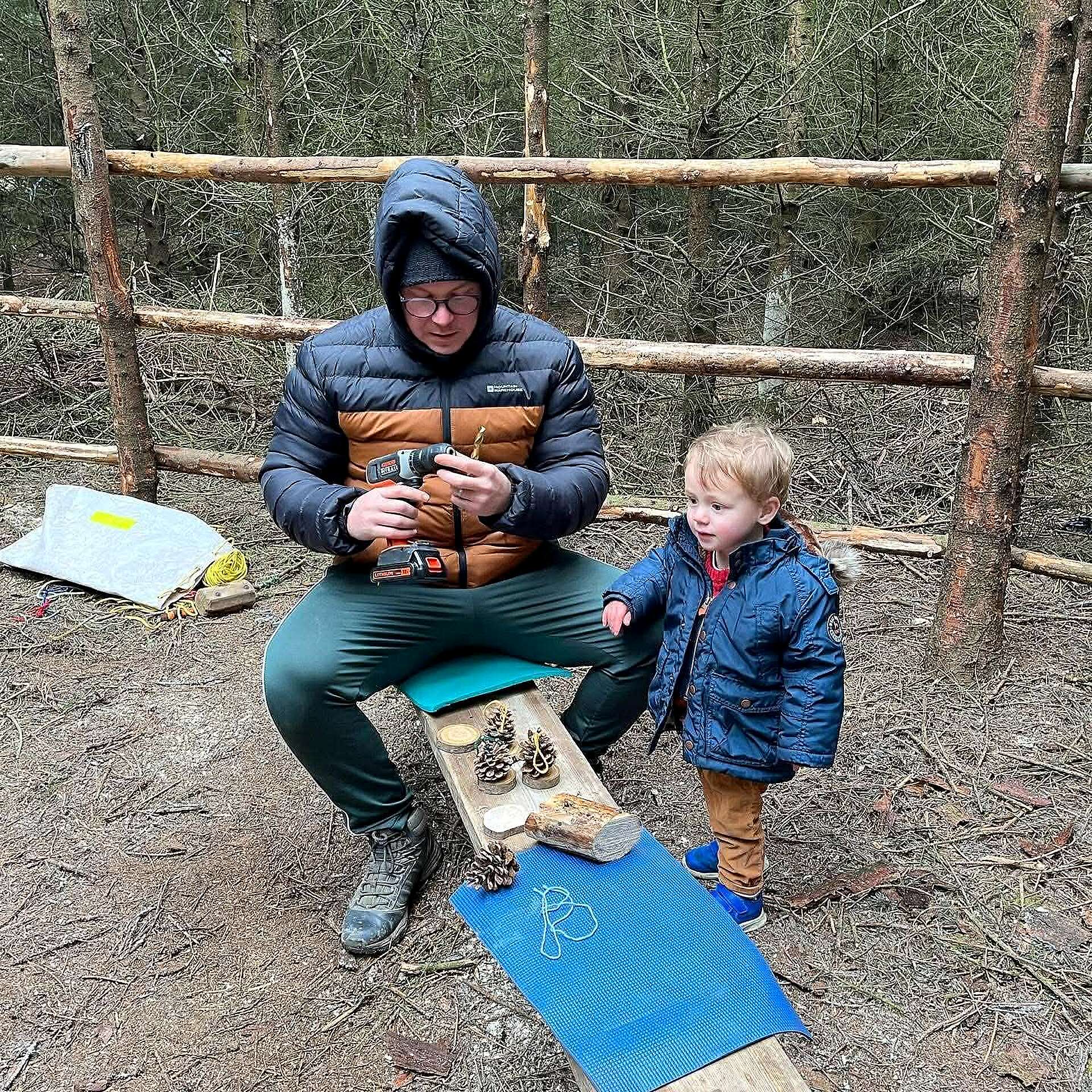
Encourage your children to create temporary art using natural materials like leaves, stones, pine cones, and twigs.
Patterns, or simple sculptures allow self-expression while reinforcing the idea that nature doesn’t need to be taken home to be enjoyed.
"Children can not bounce off the walls, if we take away the walls"
7. Sensory Walk
Ask your children to slow down and focus on their senses. What can they hear? Birds, wind, rustling leaves? What can they smell or feel under their feet or hands? A sensory walk helps children become present and mindful in nature.
8. Storytelling in the Woods
Find a quiet spot and encourage your children to make up stories inspired by the woodland. A twisted tree might become a dragon, or a hollow log a fairy’s home.
This nurtures imagination and emotional connection to the environment.
9. Spot Woodland Wildlife
Explore our nature information and keep an eye out for a variety of woodland species. Can you see any rabbits or where their homes may be? Or can you spot pine cones amongst the brash on the floor?
10. Tree Identification
Turn a walk into a gentle learning experience by identifying different trees.
Children can compare leaf shapes, bark textures, and even smells. Making bark rubbings with paper and crayons adds an artistic element and helps with memory and recognition.
"The great outdoors is a type of school, where nature itself is the teacher"
Woodland and outdoor activities don’t need to be complicated to be meaningful.
By giving children time, freedom, and gentle guidance in natural spaces, we can help them build confidence, curiosity, and a lifelong connection to the outdoors.
Often, the simplest moments—muddy boots, quiet listening, and shared discoveries—are the ones that stay with them the longest.